


Understanding DOT Insurance Requirements for Carriers
Published: 18.12.2024
Introduction to DOT Insurance Requirements
Understanding the Department of Transportation (DOT) insurance requirements is essential for carriers operating in the transportation industry . The DOT mandates that all carriers must have a minimum level of insurance coverage to protect themselves, their drivers , and the public in case of accidents or incidents on the road.
DOT insurance requirements vary depending on the type of carrier and the goods being transported. For example, motor carriers of property must have a minimum of $750,000 in liability insurance , while carriers of hazardous materials may need higher coverage limits. Additionally, passenger carriers have separate insurance requirements to ensure the safety of their passengers.
In addition to liability insurance , carriers may also need cargo insurance to protect the goods they are transporting. This type of insurance covers damage or loss of the cargo in transit, providing financial protection for both the carrier and the shipper.
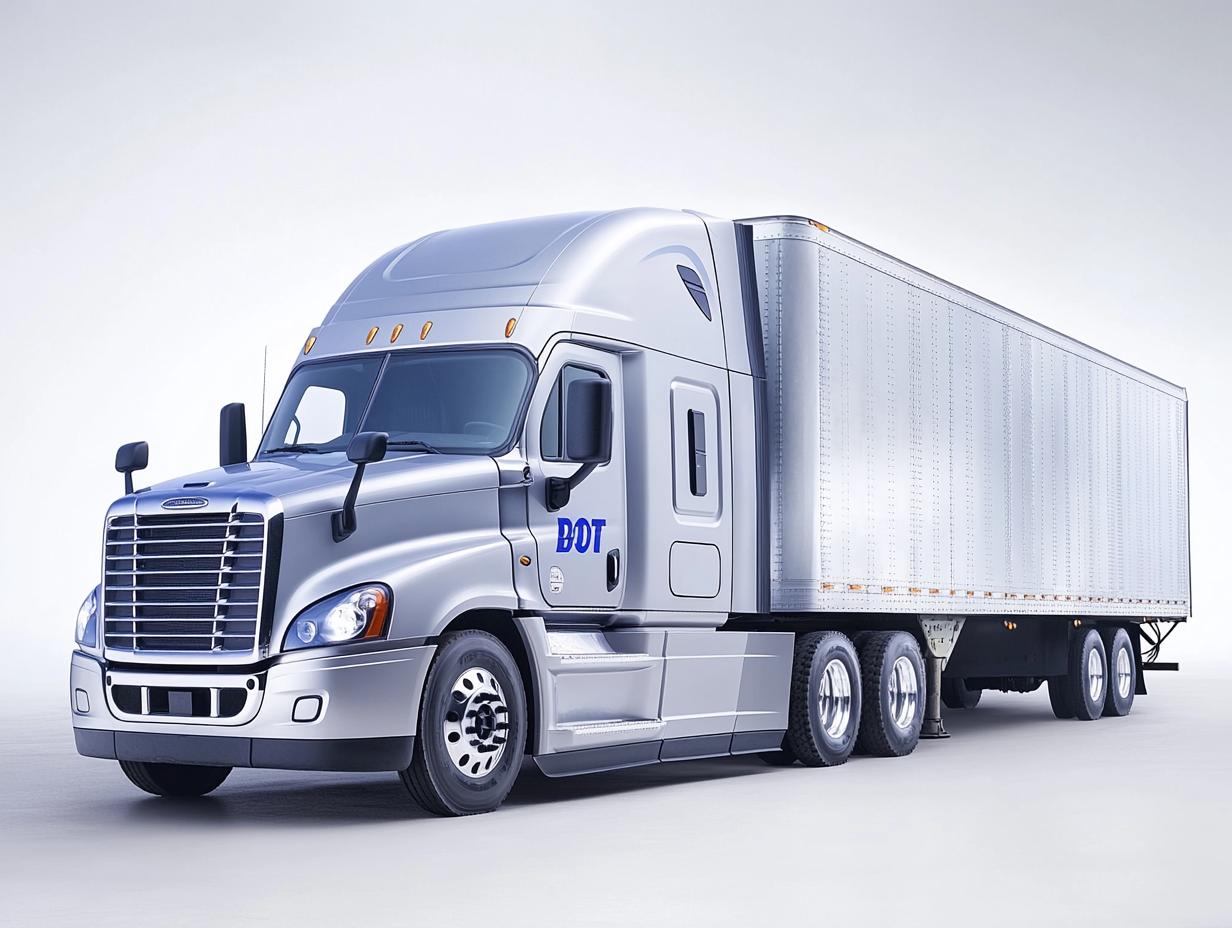

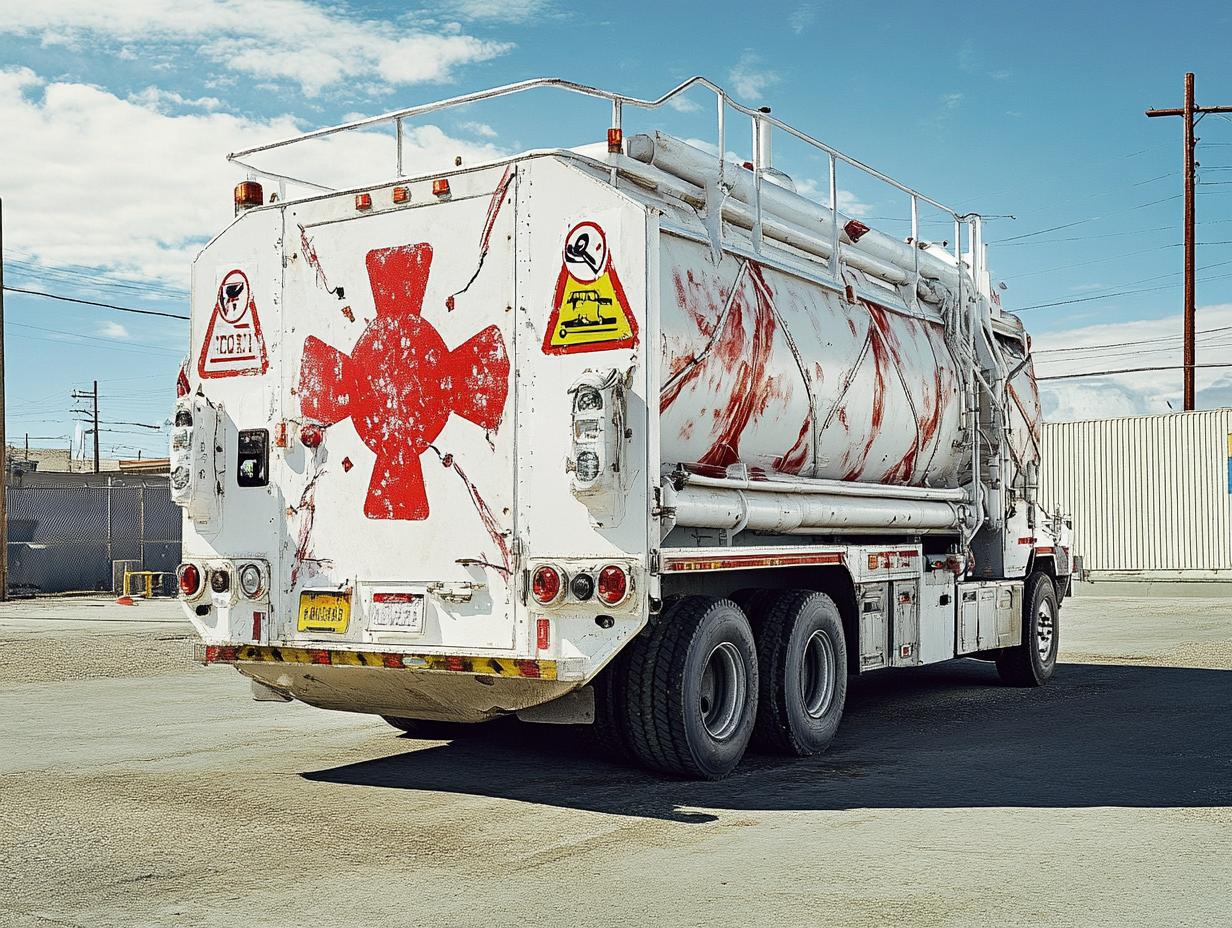
Compliance with DOT insurance requirements is crucial for carriers to operate legally and responsibly. Failure to maintain the required insurance coverage can result in fines, penalties, and even the suspension of operating authority. By understanding and meeting these insurance requirements , carriers can protect themselves and others while staying in compliance with DOT regulations.
Types of DOT Insurance Coverage
When it comes to operating as a carrier , understanding the different types of DOT insurance coverage is crucial. DOT insurance, also known as motor carrier insurance , is a type of insurance that carriers are required to have in order to operate legally. There are several types of DOT insurance coverage that carriers can choose from, each serving a specific purpose and providing different levels of protection.
- Primary Liability Insurance: Primary liability insurance is the most basic type of DOT insurance coverage required for carriers. This insurance provides coverage for bodily injury and property damage that the carrier may cause to others while operating a commercial vehicle. It is mandatory for all carriers to have primary liability insurance in place.
- Cargo Insurance: Cargo insurance provides coverage for the goods or products that carriers transport. This type of insurance protects against damage, theft, or loss of cargo while in transit. Carriers that transport goods for others are typically required to have cargo insurance.
- Physical Damage Insurance: Physical damage insurance covers the carrier's commercial vehicles in case of an accident or other covered event that results in damage to the vehicle. This insurance can help cover the cost of repairs or replacement of the vehicle.
- Non-Trucking Liability Insurance: Non-trucking liability insurance, also known as bobtail insurance, provides coverage for the carrier's vehicle when it is not being used for business purposes. This type of insurance is important for carriers who use their vehicles for personal use as well.
- General Liability Insurance: General liability insurance provides coverage for claims of bodily injury or property damage that occur on the carrier's premises or as a result of their operations. This insurance can help protect carriers from lawsuits and other liabilities.
Understanding the different types of DOT insurance coverage is essential for carriers to ensure they have the right level of protection for their operations. By having the appropriate insurance coverage in place, carriers can operate legally and protect themselves from potential risks and liabilities.


Minimum Insurance Limits for Carriers
Carriers operating commercial vehicles are required by the Department of Transportation (DOT) to maintain specific insurance coverage to protect themselves and others in case of accidents or incidents. These insurance requirements are in place to ensure that carriers have the financial means to cover potential liabilities that may arise from their operations.
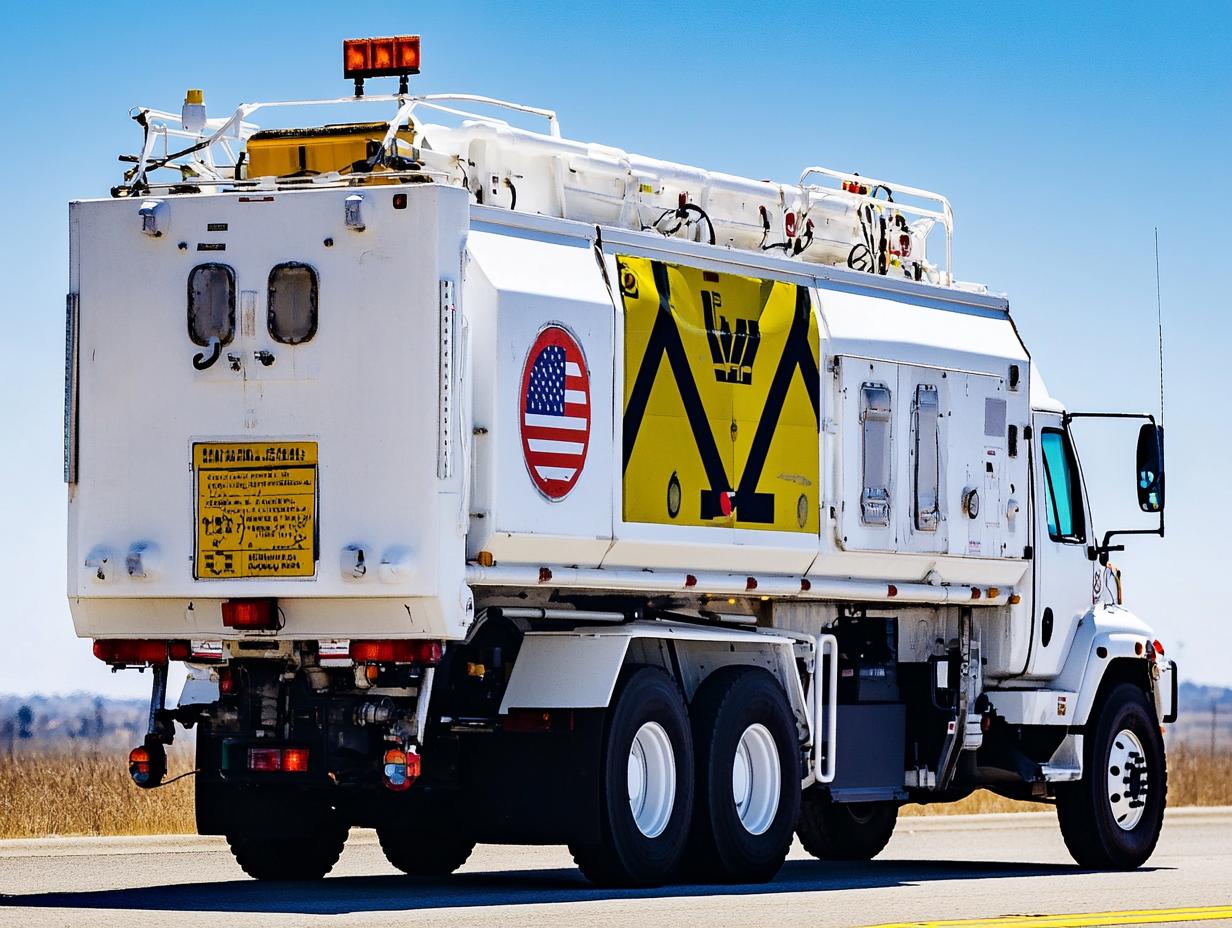
The minimum insurance limits for carriers are determined based on the type of cargo being transported and the weight of the vehicle . For example, carriers transporting non-hazardous materials in vehicles weighing over 10,000 pounds are required to have a minimum liability insurance coverage of $750,000. On the other hand, carriers transporting hazardous materials may need to have higher insurance limits, depending on the type and quantity of the hazardous materials being transported.
It is important for carriers to carefully review and understand the insurance requirements set by the DOT to ensure compliance and adequate protection. Failure to maintain the required insurance coverage can result in penalties, fines, or even suspension of operating authority.


Carriers should work closely with their insurance providers to determine the appropriate insurance limits based on their specific operations and risks. By maintaining the minimum insurance limits required by the DOT , carriers can protect themselves and others in the event of unforeseen accidents or incidents.
Factors Influencing DOT Insurance Costs
When it comes to understanding DOT insurance requirements for carriers, it is essential to consider the factors that can influence insurance costs. Several key factors play a significant role in determining the cost of DOT insurance for carriers:
- Driving Record: One of the primary factors that can impact DOT insurance costs is the carrier's driving record. Carriers with a history of accidents or traffic violations are considered higher risk and may face higher insurance premiums.
- Type of Cargo: The type of cargo being transported can also affect insurance costs. Carriers transporting hazardous materials or high-value goods may have higher insurance premiums due to the increased risk associated with these types of cargo.
- Coverage Limits: The amount of coverage required by the DOT can impact insurance costs. Carriers that opt for higher coverage limits will typically pay higher premiums compared to those with lower coverage limits.
- Safety Measures: Carriers that implement robust safety measures and training programs may be eligible for discounts on their insurance premiums. Safety-conscious carriers are seen as lower risk by insurance providers.
- Vehicle Type: The type of vehicles used by carriers can also influence insurance costs. Factors such as vehicle age, make, and model can impact premiums, with newer vehicles typically commanding higher insurance costs.
By understanding these factors that influence DOT insurance costs, carriers can make informed decisions when selecting insurance coverage that meets their needs while managing costs effectively.
Importance of Compliance with DOT Insurance Regulations
Compliance with Department of Transportation (DOT) insurance regulations is essential for carriers to operate legally and responsibly. These regulations are put in place to protect both carriers and the public, ensuring that carriers have the necessary insurance coverage to handle any potential accidents or incidents that may occur during transportation operations.
One of the key reasons why compliance with DOT insurance regulations is important is to protect carriers from financial liabilities. In the event of an accident, having the right insurance coverage can help carriers cover the costs of property damage, medical expenses, and legal fees that may arise. Non-compliance with these regulations can result in hefty fines, penalties, and even the suspension of operating privileges, putting carriers at risk of financial ruin.
Moreover, compliance with DOT insurance regulations also helps to maintain the safety and integrity of the transportation industry. By ensuring that carriers have adequate insurance coverage, the DOT can minimize the risks associated with transporting goods and passengers, promoting a safer environment for all stakeholders involved. Additionally, compliance with these regulations enhances the reputation of carriers, instilling trust and confidence in their services among customers and partners.
In conclusion, compliance with DOT insurance regulations is not just a legal requirement but a crucial aspect of running a successful and responsible carrier business. By adhering to these regulations, carriers can protect themselves from financial risks, contribute to the safety of the transportation industry , and build a positive reputation in the market.
Conclusion and Summary
In conclusion, understanding the Department of Transportation (DOT) insurance requirements is crucial for carriers operating in the transportation industry. Compliance with these regulations not only ensures legal protection but also helps in maintaining the safety and security of both the carriers and the general public. By having the appropriate insurance coverage, carriers can mitigate financial risks and liabilities in case of accidents, damages, or other unforeseen events.
It is important for carriers to stay informed about the specific insurance requirements set forth by the DOT, including the minimum coverage limits for different types of insurance, such as liability insurance , cargo insurance , and physical damage insurance. Additionally, carriers should regularly review and update their insurance policies to ensure they meet the current regulatory standards and adequately protect their business operations.
By prioritizing compliance with DOT insurance requirements , carriers can build a strong reputation in the industry, establish trust with their clients, and avoid potential legal issues or penalties. Ultimately, investing in comprehensive insurance coverage is an essential aspect of running a successful and responsible carrier business in today's competitive market.
In summary, DOT insurance requirements play a vital role in the transportation industry , and carriers must proactively manage their insurance policies to adhere to these regulations. By understanding and fulfilling these requirements , carriers can safeguard their business, protect their assets, and uphold their commitment to safety and professionalism.